

The Anti-Hype Playbook for Agentic Commerce
Get the Agentic Reality Check
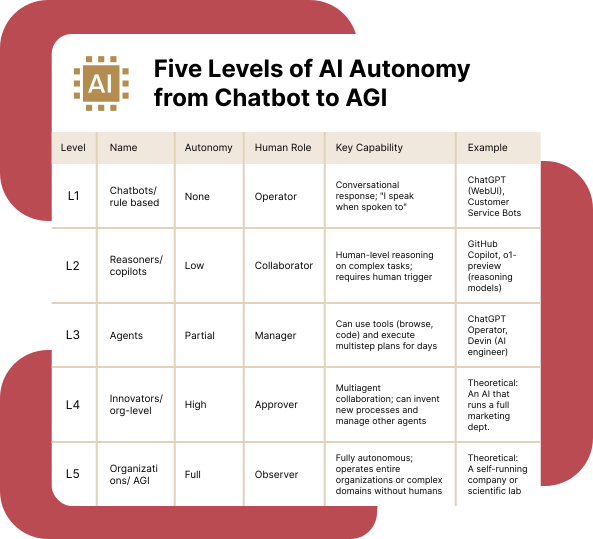
5 Levels
of AI autonomy
7 Real
opportunities for AI in B2B
6 Steps
to prepare for autonomous AI
What You'll Find Inside
-
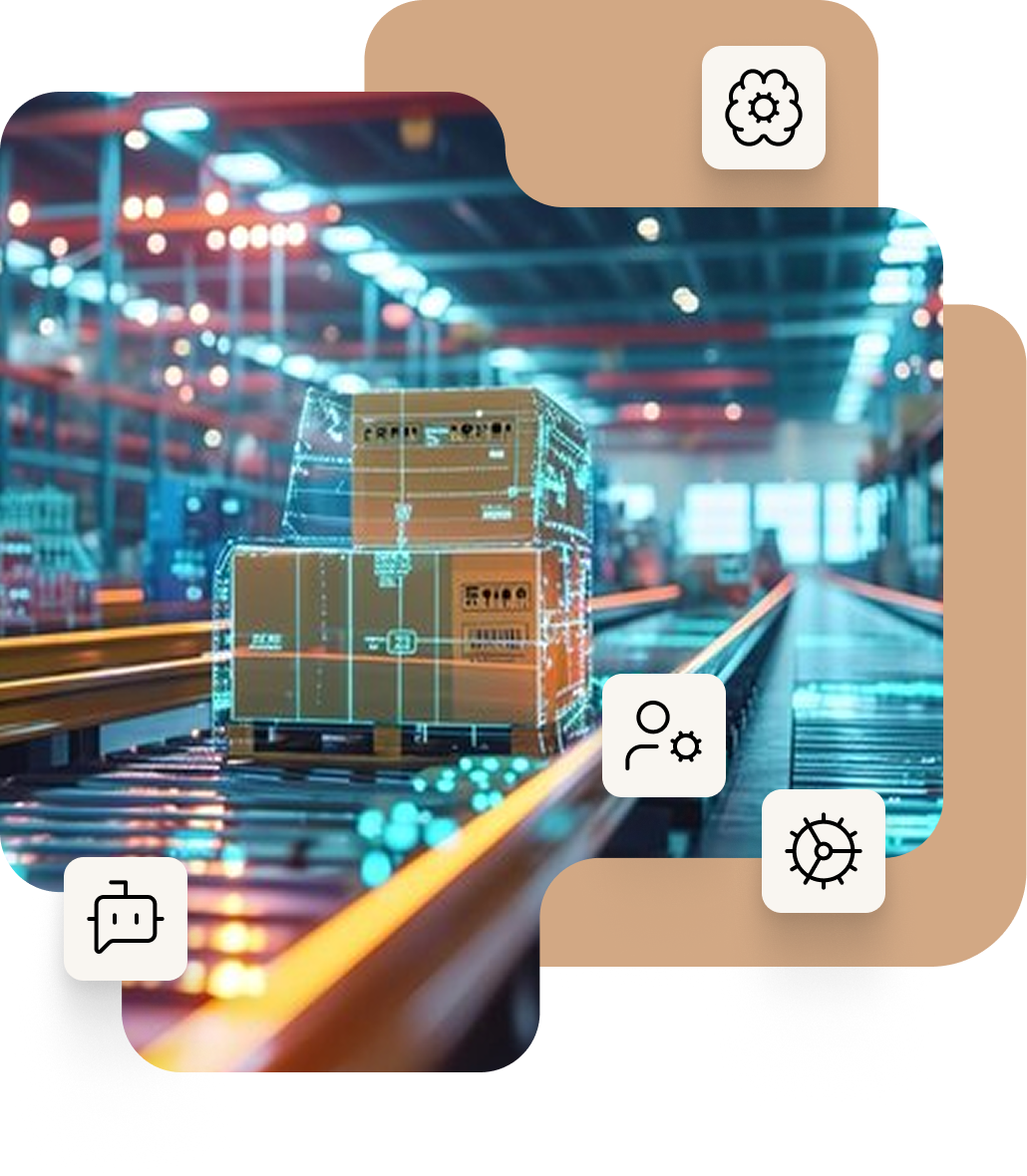
What "Autonomous" Actually Means
Autonomy means the AI makes contextual decisions and adapts to scenarios it wasn’t explicitly programmed for. Automation just follows rules. IDC explains why calling everything “agentic” is creating dangerous gaps in how organizations govern AI.
-
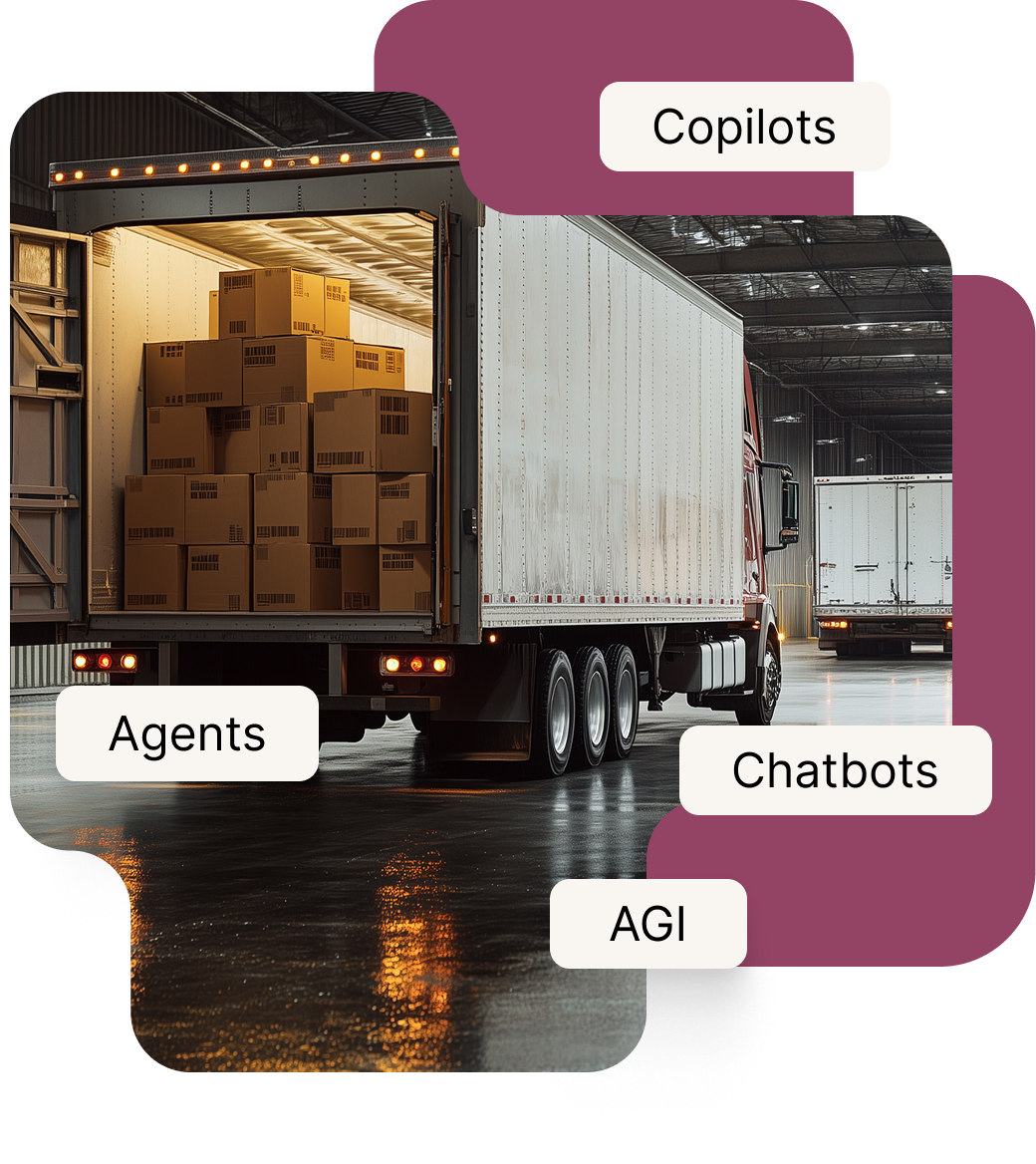
The Five Levels of AI Autonomy
IDC maps five levels of AI autonomy. Most platforms claiming “agentic” capabilities are stuck at Level 2. Knowing where the technology sits today keeps you from overpaying for features that don’t exist yet.
-
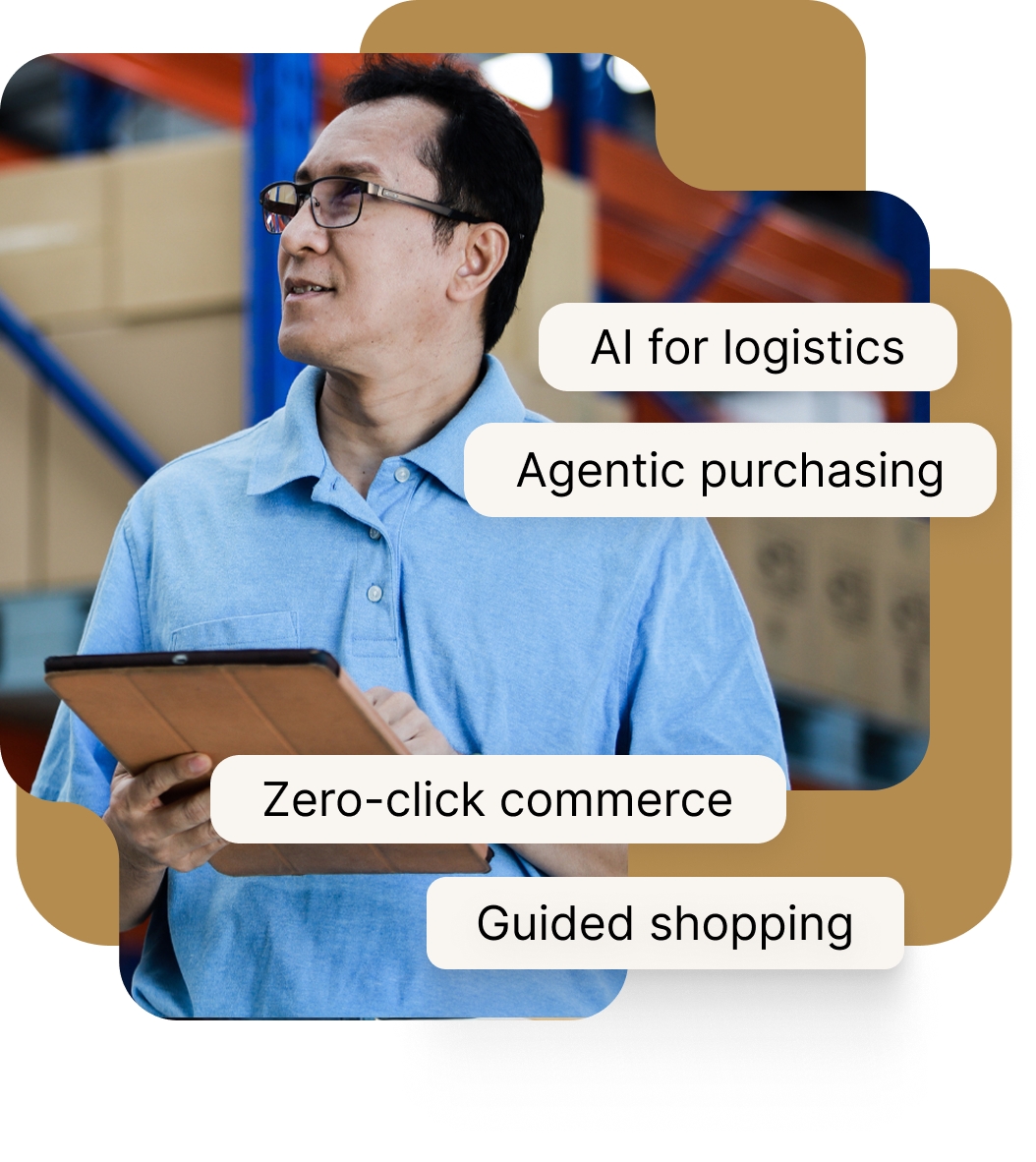
Seven Agentic Commerce Plays
From buyer agents and embedded payments to generative UI and fulfillment orchestration – IDC breaks down what’s deployable now versus what’s still theoretical, with the specific technical and trust barriers blocking each one.
-
The "Constrained Autonomy" Playbook
IDC recommends constrained autonomy: tightly scoped agents in low-risk categories, clear guardrails, and incremental trust-building. This mirrors how we approach AI at OroCommerce: integrated, controlled, and proven before it touches high-stakes workflows.

Go Deeper on B2B Commerce Al
Practical Al That Works Inside Your B2B Operations
See how B2B-native Al tools run natively inside OroCommerce, with guardrails, on unified data, at no extra cost.
The 2026 B2B Commerce AI Benchmark
80% of B2B companies deployed AI, but only 17% can prove ROI. Get the raw data on what separates the leaders from the laggards.
OroCommerce 7.0: Less Sci-Fi, More ROI
Watch our product team walk through the Al infrastructure in the latest release: secure MCP integration, the OrolQ workspace, and prompt governance with Langfuse.