
How Directo Used OroCommerce to Capture 54% of the Australian Pharmacy Market
Customer Success by the Numbers
revenue growth in 5 years
orders processed in 2025
multi-category products mapped
of Australian pharmacies on the platform
The Challenge
The Australian pharmacy supply chain was a web of inefficiency. An average pharmacy manages relationships with a primary wholesaler plus 50 direct suppliers, resulting in a chaotic mix of phone calls, emails, and disparate invoices.
Directo set out to centralize this chaos into a single digital marketplace. However, the operational complexity was extreme.
- Data fragmentation: Suppliers provided unstructured data in various formats that needed to be standardized.
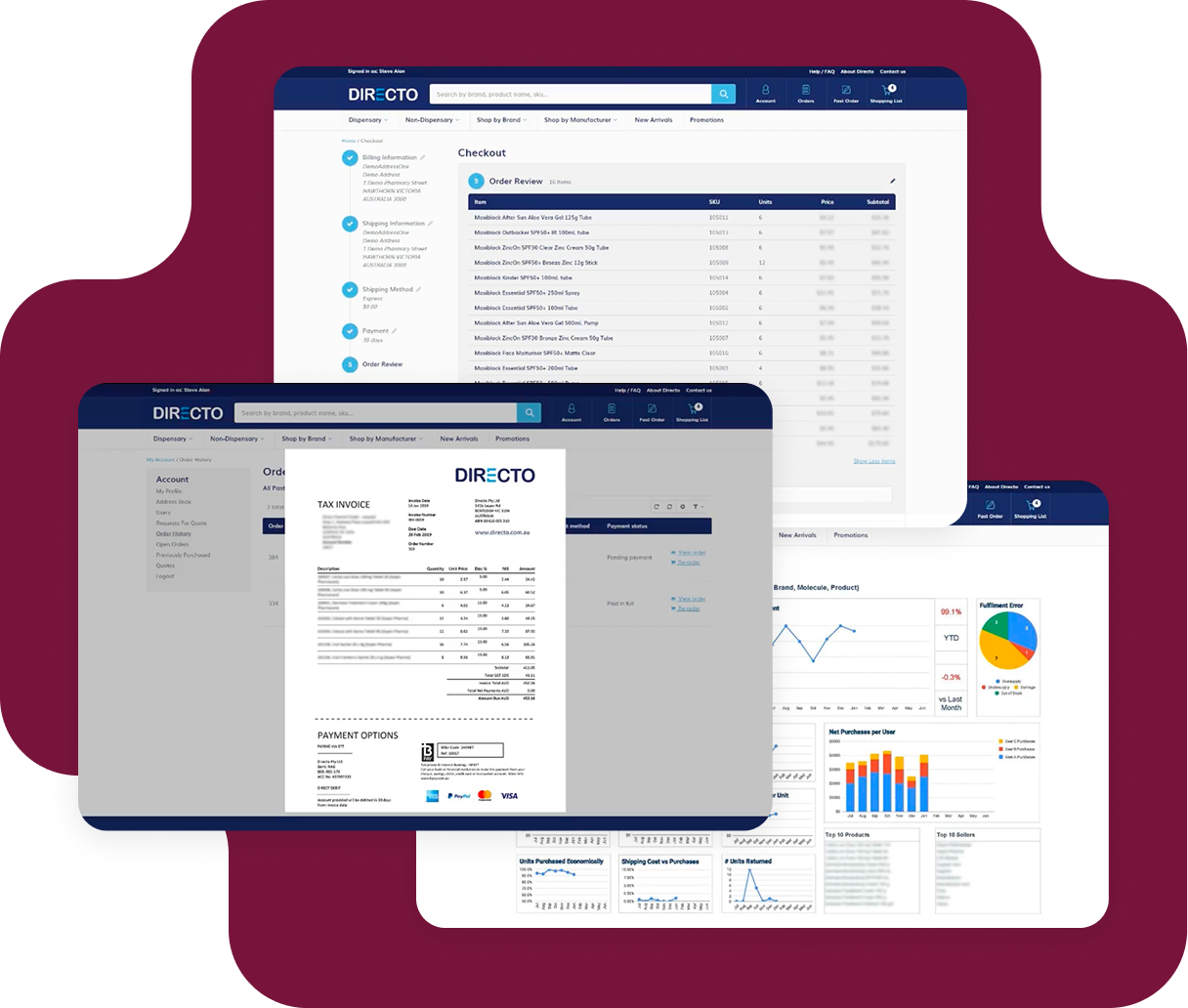
- Volume stress: Pharmacy groups often place massive consolidated orders. Early on, orders with 600+ line items would cause standard browser interfaces to hang or crash.
- Granular visibility: Pricing and product availability weren’t static. They had to be calculated in real-time based on the specific pharmacy group, their location, and their negotiated contracts with specific suppliers.
Directo needed a platform that could handle this logic natively. They couldn’t afford to build a custom solution from scratch, nor could they use a rigid B2C platform that would choke on the complex corporate hierarchies of pharmacy chains.
Dmitrii Ovchinnikov
IT Lead
The Solution
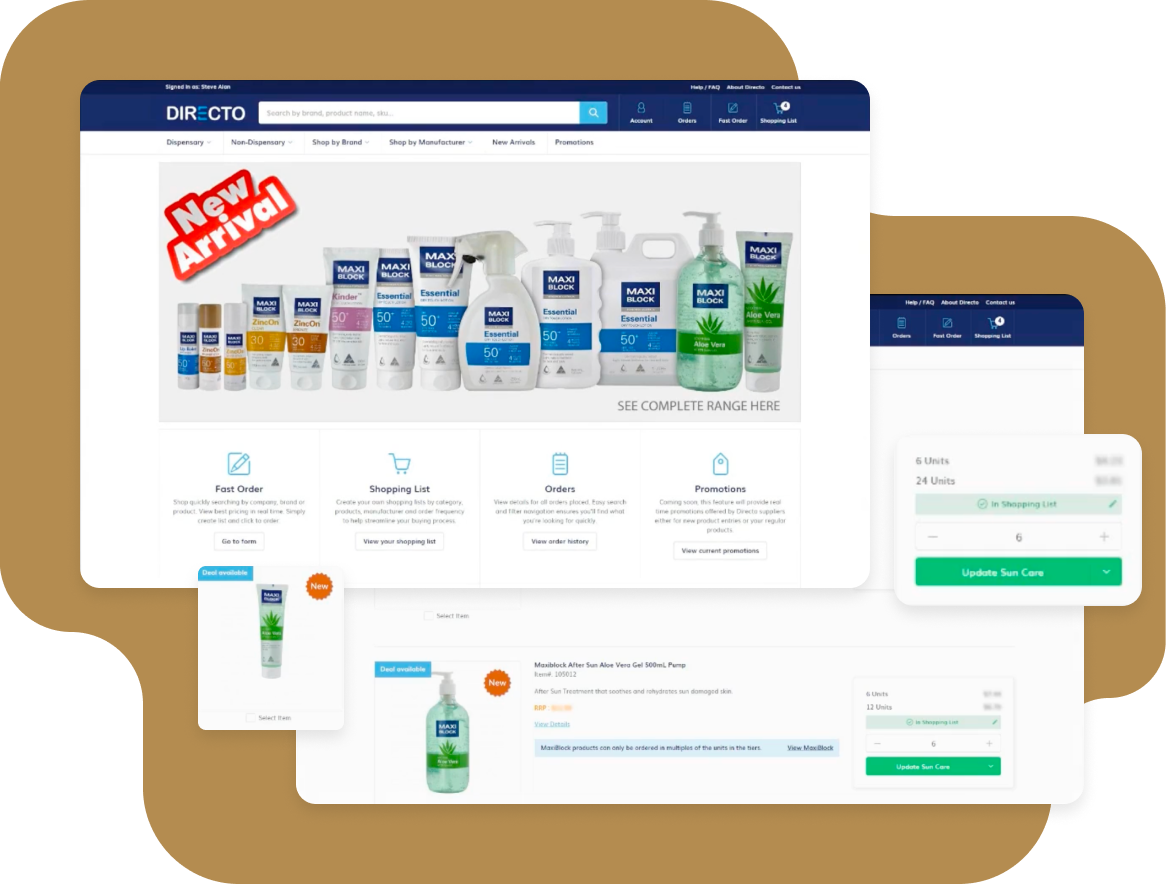
Directo selected OroCommerce to act as the master source of truth for their entire operation. This allowed them to run commerce, marketplace, and CRM as native capabilities, not separate integrations. By keeping everything in one system, they eliminated the license sprawl and sync errors that come with multi-vendor architectures.
Twenty-odd staff across customer service, purchasing, sales, and the data team all work inside it daily.
What OroCommerce enables:
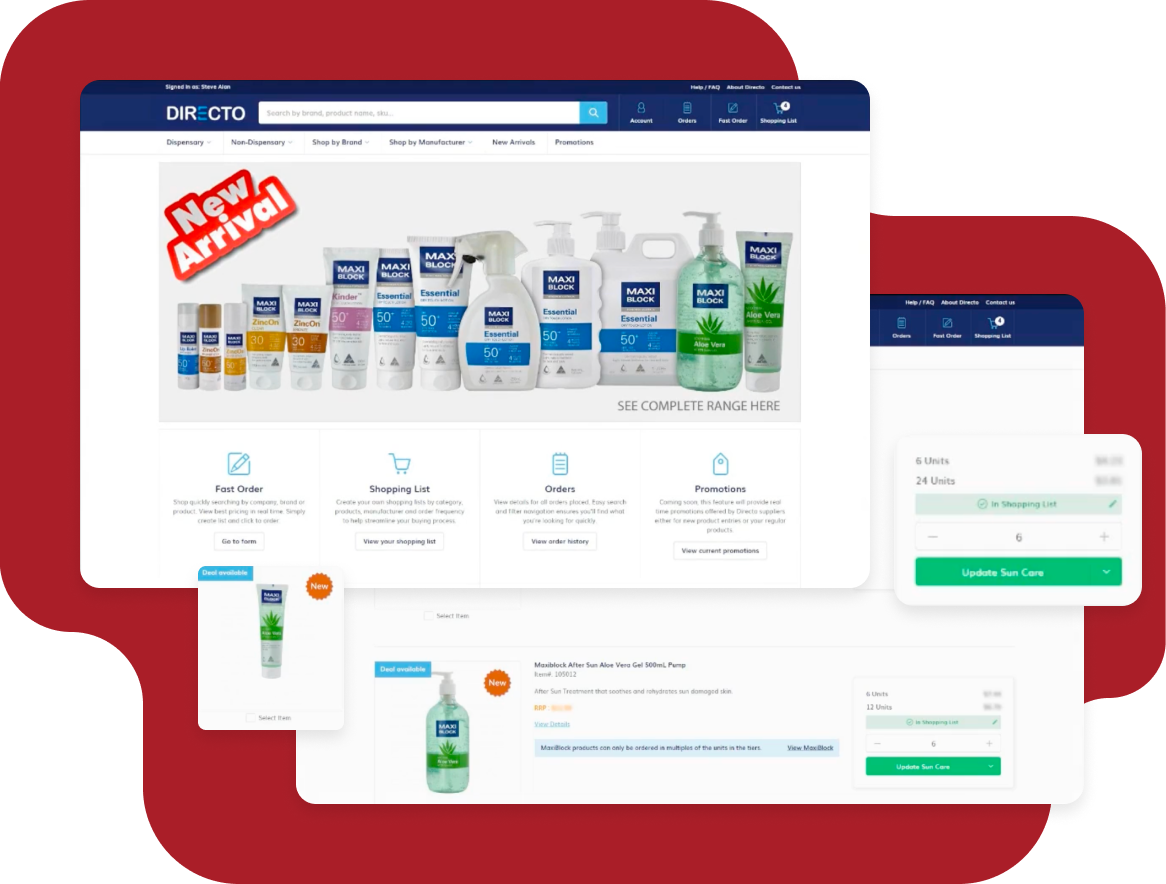
- Master catalog management: Directo controls all SKUs centrally. When multiple suppliers sell the same product, Directo maintains a single master product and maps each supplier’s version behind the scenes. Pharmacies order from a clean catalog, and the system handles the rest.
- Granular visibility rules: OroCommerce enforces visibility at the individual customer level, not just by group, which was a hard requirement given how the market is structured.
- Pricing and promotions at scale: Thousands of concurrent promotions run across different customer segments, tied to supplier-specific terms negotiated by Directo’s sales team.
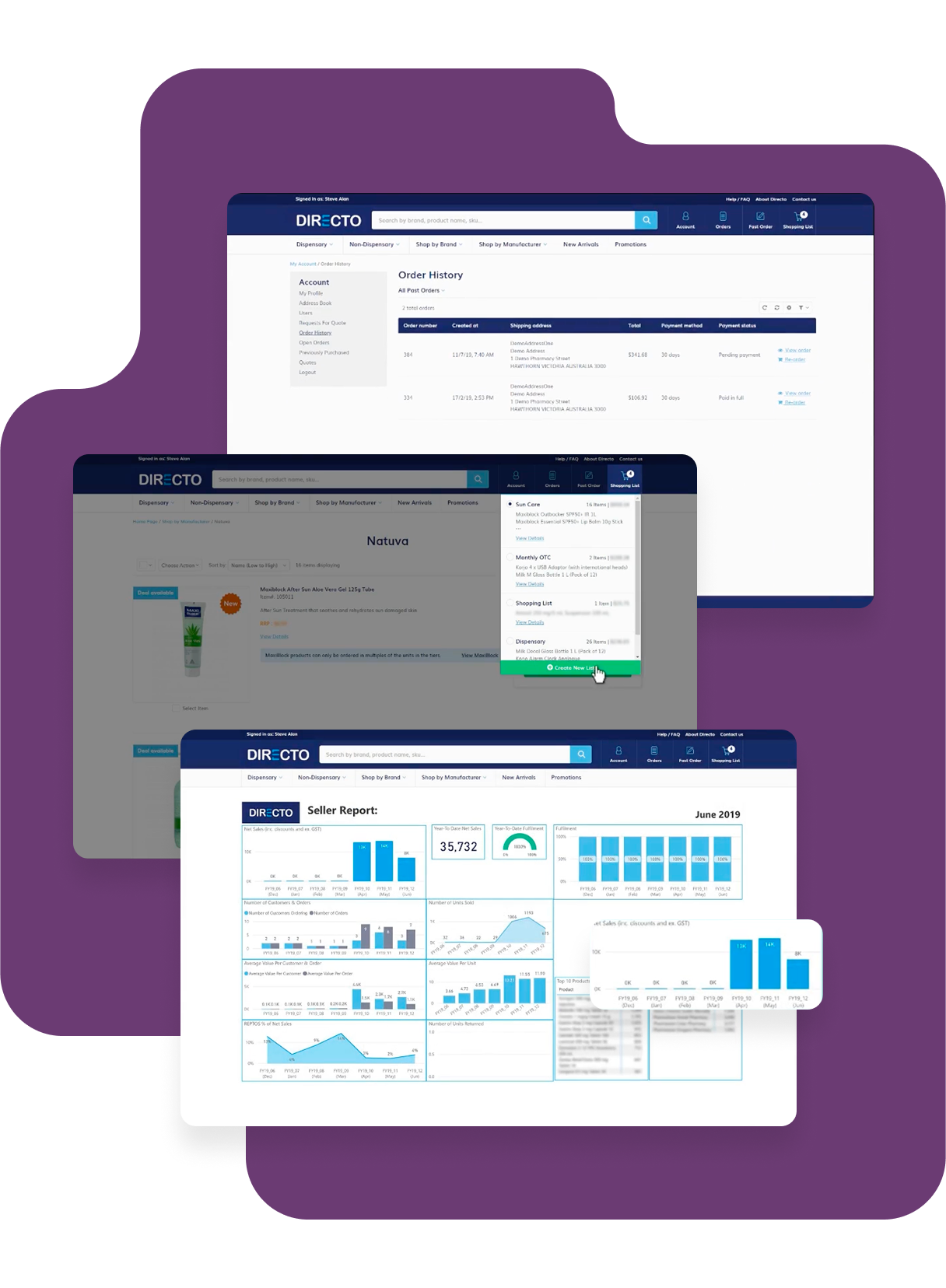
- Supplier portal: Suppliers log in to verify their own product data, prices, and images. Inventory updates flow in periodically via FTP and CSV, processed by a dedicated data team before entering the system.
- Built-in CRM: OroCommerce’s native CRM replaced any need for a separate system, keeping sales, service, and operations working from the same records.
Infrastructure That Compounded
Five years of building that foundation had an unexpected consequence: it became something other businesses wanted to use too.
When Pharmlink, a home care marketplace, needed a platform to connect care providers with pharmacies, they came to Directo. The pharmacy network, ordering infrastructure, and supplier integrations Pharmlink needed were already built. Setting it all up from scratch would have taken years.
Using OroCommerce’s multi-organization support, Directo spun up a fully separate entity with its own customers and catalog within the same instance. What started as a single-industry solution turned out to be reusable infrastructure.
Results
Five years ago, Directo was processing a handful of orders a day. In 2025, the platform handled 50K+ orders, driving over $46 million in GMV. More than half of all Australian pharmacies now buy through it.
And that growth didn’t require a bigger team. The IT team is still three people. No new developers were hired to sustain the growth, absorb the complexity, or launch Pharmlink. The platform carried the weight.
Most companies accumulate technical debt as they scale. Directo built their way out of it. They can enter new verticals using the exact infrastructure that already powers half the country’s pharmacies, giving them a significant head start on future growth.
Explore More Customer Stories

How Lactalis Optimized for Growth with OroCommerce

DiversiTech Standardizes Order-to-Cash Across Regions and Systems with Unified, AI-Powered Commerce

Petrochemical Giant Modernizes B2B Sales with OroCommerce