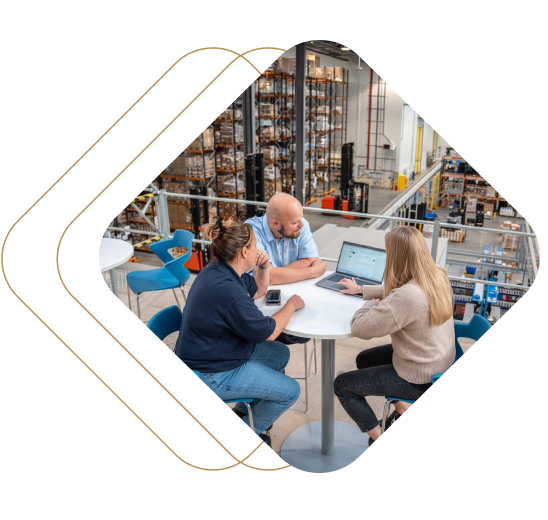
Ian Heller brought together two eCommerce practitioners for the Distribution Strategy Group’s recent webinar on eCommerce platform imperatives.
- Shandra Williams is Development Manager at DiversiTech, where she oversees digital operations for a global HVAC distributor managing multiple brands across North America and Europe.
- AJ Brenner is Director of eCommerce at ARG Industrial, an employee-owned hose and fitting distributor serving the Pacific Northwest and Alaska.
They covered the decisions most distributors get wrong: when to fix a platform versus replace it, what triggers those choices, and why adoption matters more than features.
Get the complete conversation on platform selection, architecture, and implementation mistakes.
The Trigger Most Companies Miss
Heller asked the question most distributors face: what really triggers the decision to replace a platform?
The answer from both panelists was uncomfortable. By the time leadership approves a replacement, something has already broken badly enough that fixing it costs more than starting over.
Losing a customer is usually what forces the conversation.
At DiversiTech, Williams sees the same reactive pattern, but the trigger is speed. Customers expect their products immediately, but legacy systems can’t keep up and you end up with a lot of custom workarounds.
Those workarounds and data sync problems mean the system can’t deliver real-time inventory, accurate pricing, or order status when customers need it. What once looked like flexibility turns into technical debt.
When to Replace, When to Rebuild
So when do you pull the trigger on replacement?
Williams has a framework. Replace when you’ve hit integration fatigue, scale limitations, or when technical debt outweighs modernization effort. “If you’re a distributor and you believe your platform is the root cause of all of you poor data or you have all this customized code causing more maintenance to upkeep the existing platform, often it’s easier to simply switch to another platform and start clean.”
But underneath sits a bigger question: build or buy?
“Default to buy,” Williams said. Only build if your eCommerce functionality is competitive IP, and you have the engineering resources to sustain it long term. Five to ten years.
She’s watched distributors build custom, then watch a key developer leave. Or priorities shift. The custom platform becomes an orphaned liability.
The build trap is seductive. The maintenance cost is permanent.
What Matters When You’re Choosing
“Selecting a platform before really understanding the internal constraints or readiness. That’s probably the first thing I would think of in the first 30 days at least,” Brenner said.
His framework was built around friction:
- Where are customers dropping out? Those drop-off points tell you what the system can’t handle
- Where are internal teams compensating? Manual work signals what the platform should do but doesn’t
- Which improvements unlock efficiency? Remove entire categories of manual work
To feed that framework, Brenner surveys customers three times yearly. But surveys aren’t enough. “The sales team is essential because they’re the ones hearing that one-on-one feedback with the customer. You have to encourage them to give you the harsh feedback because it’s not always green and pretty.”
Williams pushed this point further. The biggest mistake she sees is when platform decisions happen in a vacuum.
The people who will use the platform daily, like sales reps, warehouse staff, customer service, rarely get consulted until after the decision is made. By then, the platform choice is locked in, and the organization is left forcing a system to fit workflows it was never designed to support.
“It’s not gonna just fit. It’s really unique to what you’re trying to build as an entire company,” Williams said.
The AI Question No One Can Avoid
Platform conversations in 2026 inevitably hit the same question: what about AI?
Heller asked whether we’re heading toward Walmart-style ChatGPT shopping experiences that could eclipse traditional eCommerce platforms entirely. The answers split along industry lines.
Brenner was direct about where ARG stands: “Our industry in general is a bit more behind the curve. I know that the AI intermediaries really will kind of come into play, I think more for us in the next six to 10 years.”
ARG’s business made integrated quoting more critical than AI chat. The technology exists, but customer behavior hasn’t caught up. “We had a lot of AI tools built into the website and the usage wasn’t very high.”
Williams sees a completely different reality in HVAC distribution
"I think it's not coming in the next few years. I think it's here." In HVAC, AI is already handling one critical pain point: automated PO processing. Customers email purchase orders the way they always have. The system reads the document, validates SKUs, and creates a draft order for the sales team to review.But Williams sees AI moving beyond automation into prediction. She described how the technology could analyze patterns, from order history, weather data to regional economics, to anticipate when customers need to reorder.
“We know if company A normally orders these particular widgets or something like that, and they’re on pace to it, AI can inform the sales team and say, ‘Hey, it’s time for them to renew. We’re just gonna have you click a confirm button on the customer side, and it’s already done for you. You don’t have to go through the process of reordering.'”
Williams also flagged the risk. If the AI is too aggressive – predicting and triggering reorders based on past patterns without accounting for current demand – it could flood customers with inventory faster than they can move it.
The balance between automation and control must be fully figured out before adopting these advanced AI capabilities.
The Adoption Gap
The AI conversation reveals where platforms are heading. But it also exposes a problem most distributors still haven’t solved: getting customers to use what already exists.
Brenner built the features his customers needed: integrated quoting and inventory visibility by location. Both removed friction that was forcing customers to call instead of order online.
But having the features doesn’t guarantee adoption. Williams sees this gap constantly.
“Adoption is the biggest friction. I’ve seen that most customers will tell you flat out, I don’t want to go down that eCommerce journey because I don’t understand the technology.”
“You get one chance to engage with that customer in the digital side,” Brenner said. “And if it falls short there, then it’s very difficult to have them try it again.”
Poor data, confusing navigation, or slow performance in that first experience drives customers back to calling sales reps instead.
Shandra Williams' advice
Don't force customers to choose between digital and human. Offer both. Let them use the portal when it makes sense and call their rep when it doesn't. "We have to be comfortable partnering with them through their process," she said.On This Topic: A Guide to Winning The Hybrid B2B Buyer with Next-Gen B2B Portals
The Path Ahead
Heller closed the webinar with an observation: “I was at Granger in 1995 when we launched Granger.com. And if you had told me 30 years later that there would still be distributors at the stage that they’re at now, I would have bet you a lot of money you were wrong.”
The gap between leaders and laggards is widening. What was optional five years ago is baseline today. Based on what Williams and Brenner shared, here’s what matters:
Practical Takeaways
- For Leadership: Platform decisions are typically reactive – something breaks, then you act. The companies pulling ahead are the ones budgeting for adoption and change management from the start, not just the software license.
- For IT/Technology: Skipping middleware to launch faster doesn’t save time. It creates 12-18 months of technical debt when you’re forced to rebuild it. Build integration architecture properly from day one.
- For eCommerce/Digital: You get one chance at first impressions. Customers who have a bad initial experience won’t come back. Invest in data quality and user testing before launch, not after adoption stalls.
- For Sales: eCommerce isn’t your competition. It handles quote generation and order status so you can focus on complex deals and relationships. Learn to work with tools like buyer impersonation to solve customer issues faster.
B2B platform work is hard. Adoption is harder. But the cost of waiting compounds faster than the cost of building. Distributors building now will have momentum when the next shift hits. The question is whether you’ll be one of them.