
Scaling Digital Sales Across 20 Markets at ICL
Customer Success by the Numbers
country portals live
connected
customer adoption
users onboarded
The Challenge
Before OroCommerce, most orders at ICL came by phone or email. A buyer would send a request, and a local service team had to re-type it into SAP or Oracle. Until someone replied, the customer had no visibility into pricing, status, or invoices.
This was manageable for small volumes, but ICL handles thousands of repeat fertilizer orders every month. Each new market added another ERP and another back-office team doing the same manual work. What started as a simple process in one region became slow and inconsistent when multiplied across twenty.
At the same time, customers began asking for more transparency. Some wanted to view price lists before ordering. Others grew impatient with the delays in confirming orders or tracking shipments. Large enterprise accounts pushed for a way to send their POs directly, without duplication in the portal. ICL needed a single platform flexible enough to cover all these behaviors without building custom systems for each.

Shahar Elyakim
Global CX project manager at ICL Growing Solutions
The Solution
After reviewing other platforms, ICL selected OroCommerce for its ability to support regional storefronts, integrate with multiple ERPs, and adapt to very different customer buying models.
With the platform chosen, the team started small. A pilot brought three countries onto OroCommerce, connected to a single SAP ERP, and proved the model could work. From there, the company rolled out storefronts market by market, each in about eight weeks. Today, ~20 local portals and two export shops run on OroCommerce, tied into four different ERPs.
“With the model we built on OroCommerce, we can stand up a new country B2B portal in eight weeks. That gives us the ability to scale digital sales globally at a pace we couldn’t imagine before,” says Shahar.
Distributors describe the convenience of ordering outside business hours and the transparency of pricing as major improvements. Some also report that planning purchases is easier, especially in peak seasons.
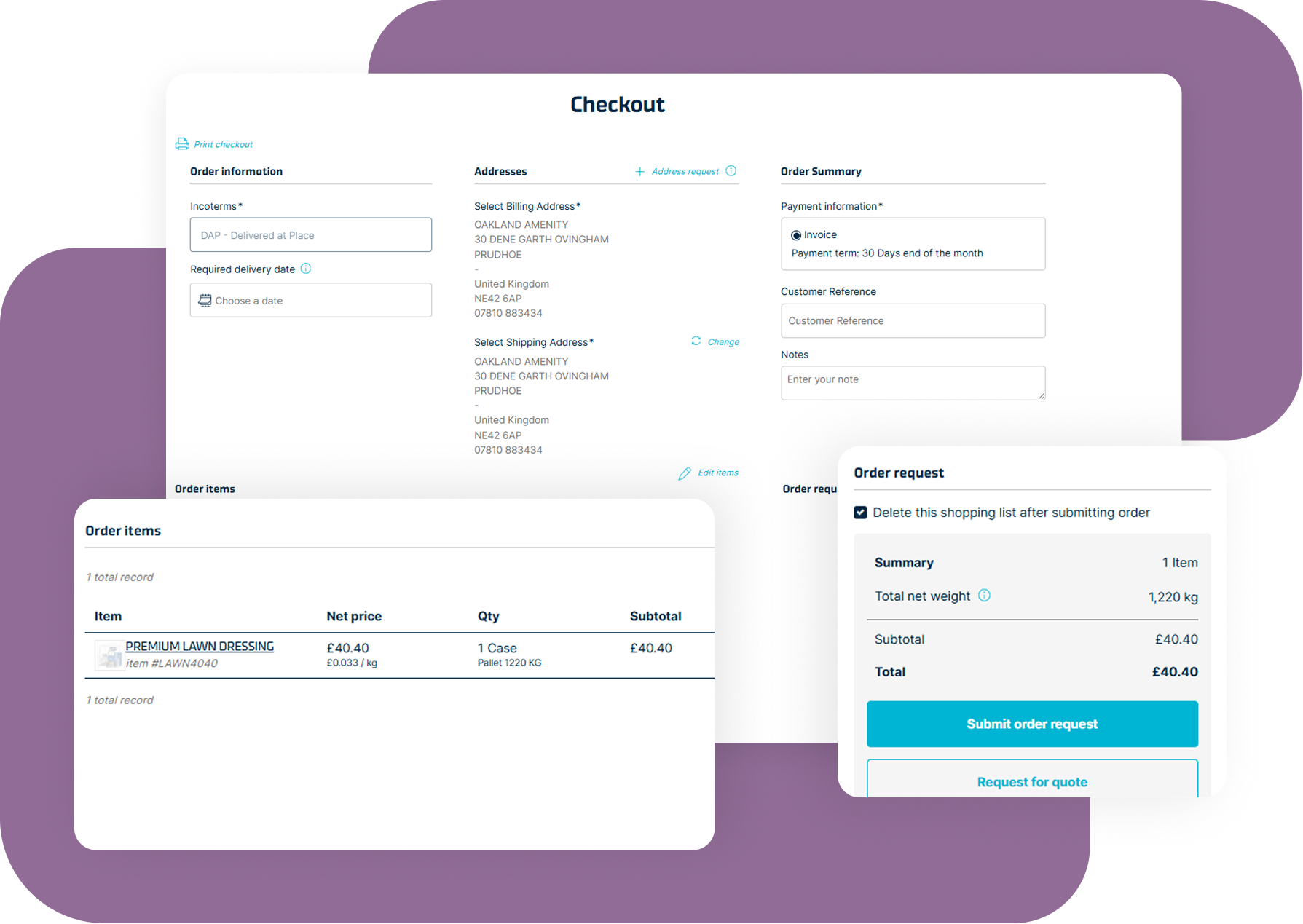
Enterprise buyers, however, needed a different approach. Many continued sending purchase orders as PDFs from their own ERPs. To support them, ICL turned on OroCommerce’s AI SmartOrder feature, which reads incoming PDFs, creates a draft order in the portal, and leaves the customer only to approve it at checkout. This made it possible to bring even the most traditional accounts into the digital channel without changing how they work.
Improvements for Buyers and Internal Teams
For customers, the change was immediate:
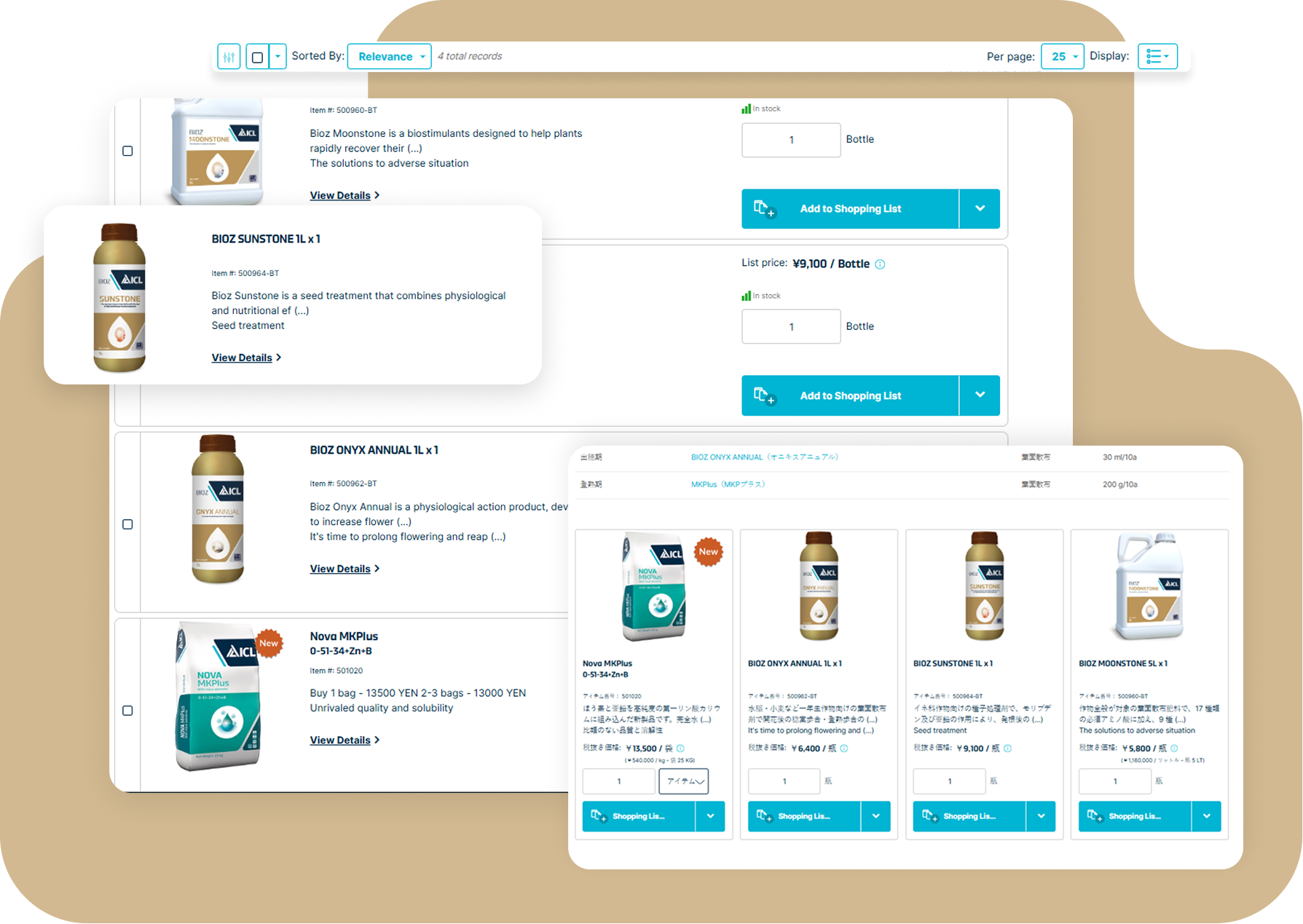
- Portals show negotiated prices, discounts, product availability, and invoices in one place.
- Orders can be placed 24/7, and fulfillment is tracked online instead of through email chains.
- In the first rollout wave, around 60% of customers moved fully online.
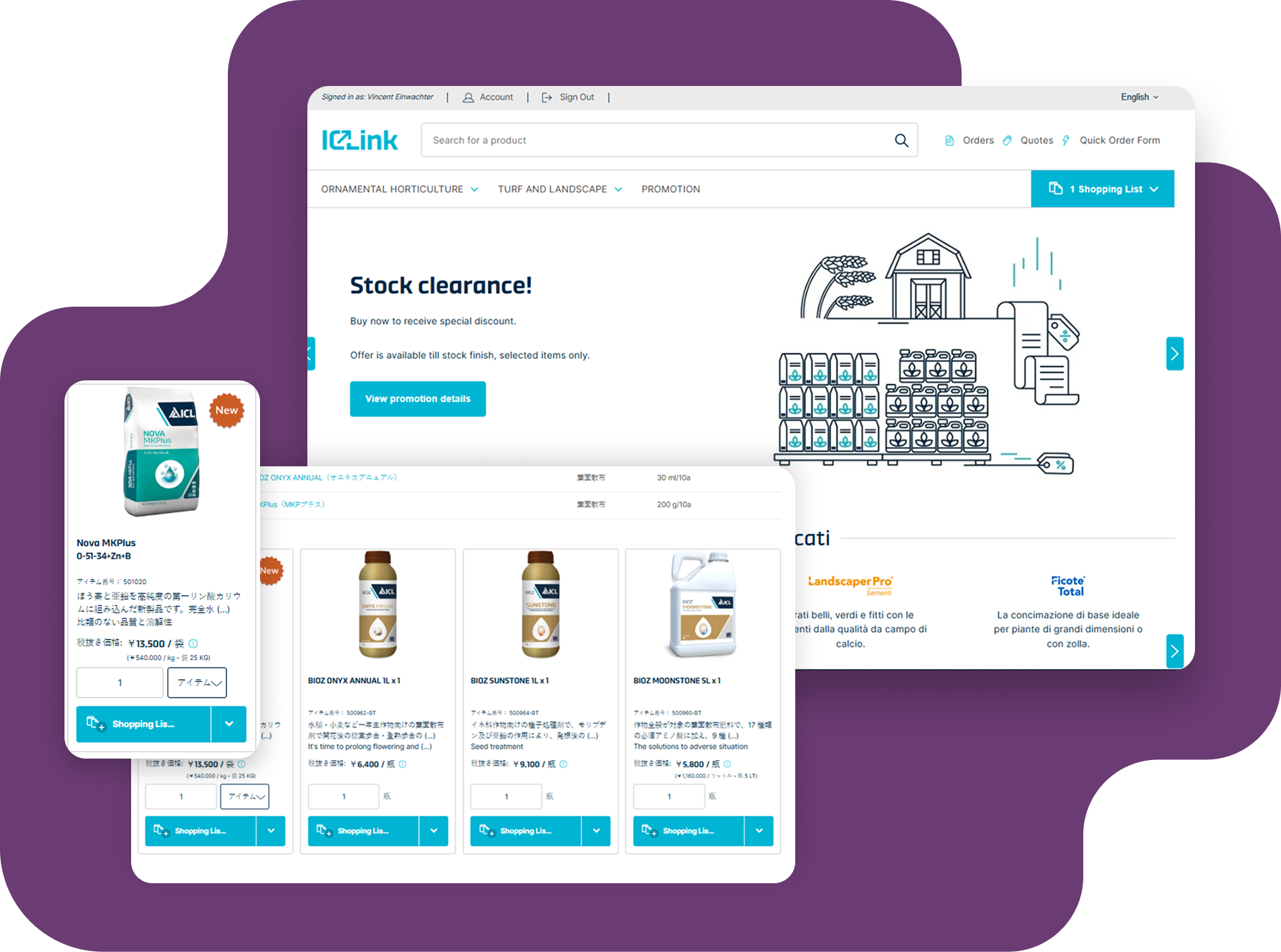
In parallel, the launch of the ICLink portal in North America replaced SAP order entry, delivering what sales teams called a “180-degree turnaround” in speed and usability. Internally, sales reps also use the portal both as a sales tool and a support resource, sometimes placing orders on behalf of clients who still prefer personal assistance. This frees them from manual ERP work and allows more time for advisory roles.
The transformation paid off
Across three consecutive years, customers ordering through ICL’s digital portals purchased more than those who remained offline. Internal teams also cut back on re-entering orders, shifting their focus to higher-value support.
Looking ahead, ICL plans to add AI-driven product recommendations, expand shipment tracking into the Americas, and introduce loyalty programs. New storefronts are also planned for Brazil, China, and other growth markets. The company expects digital commerce to become a core growth driver, helping expand into mid-sized distributors and even growers who previously had little direct contact with sales teams.
ICL now has a playbook it can repeat in any market, proving that even in an industry built on offline habits, digital commerce can scale worldwide.
To reach this point, ICL invested heavily in onboarding and support
-
Produced a library of short training videos for internal teams and customers
-
Created onboarding packs tailored to each new store launch
-
Ran forums where local managers shared rollout experiences and best practices
-
Provided guided support to early customers to build trust and confidence
-
Equipped leadership with live dashboards to monitor adoption across markets
More Customer Stories

How Lactalis Optimized for Growth with OroCommerce

How Azelis Scaled A B2B Customer Portal Program Across 150 Markets with OroCommerce

Petrochemical Giant Modernizes B2B Sales with OroCommerce